Start by listing what you print in a typical week: invoices, forms, reports, shipping labels, photos, or occasional color graphics. Estimate how often you print and whether jobs are mostly one page or large batches. These details matter more than a long feature list when you want a printer that fits daily work.
Compare inkjet and laser models based on your mix of color and text. Check paper handling, automatic duplexing, scanning needs, and supported paper sizes. If several people will print, consider network options and an easy-to-understand control panel. Confirm that the printer fits the available desk space with room to open trays and access cartridges.
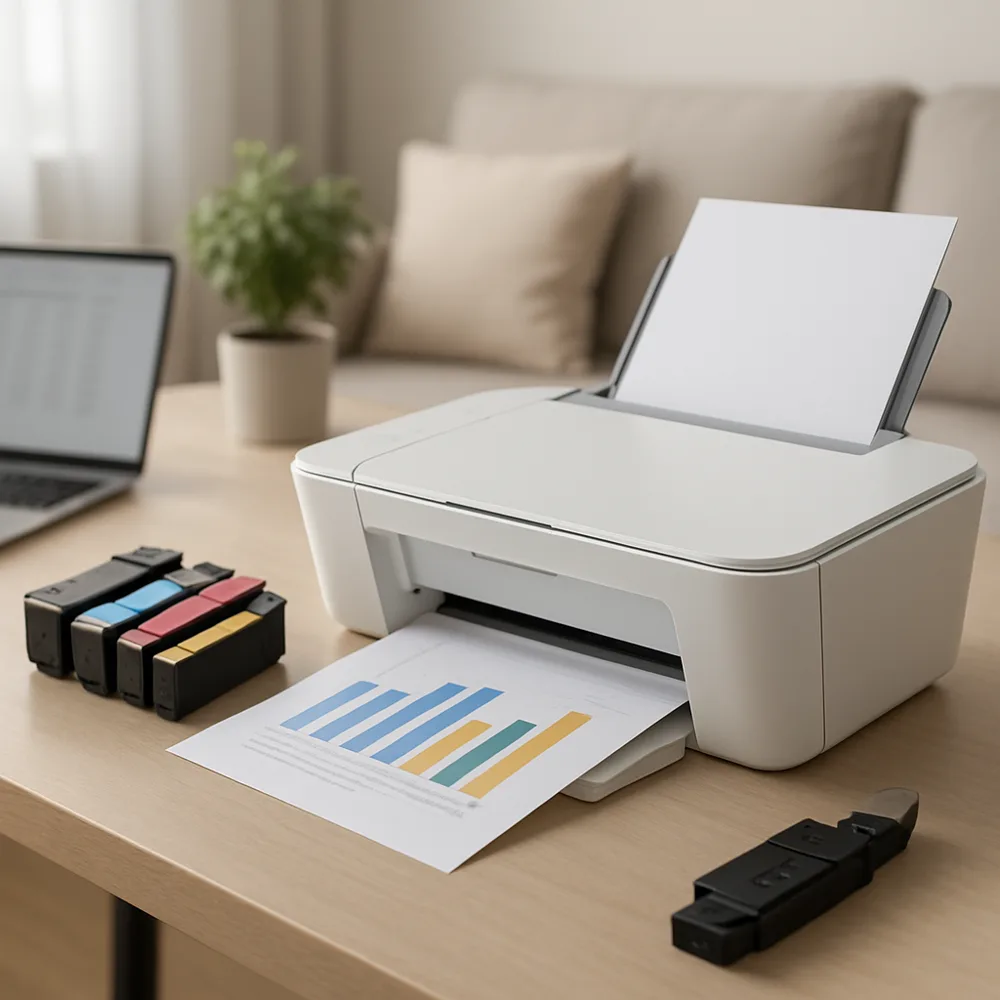
Look up the exact replacement cartridge family before deciding. Check availability, stated yield information, and whether the printer has supply alerts or maintenance requirements that suit your routine. Think about the cost of keeping it supplied over time rather than comparing purchase price alone. Avoid relying on yield figures as guaranteed results.
Finally, read setup and support information for the particular model. A modest printer with dependable drivers and straightforward paper handling may suit a small office better than a feature-rich device that is difficult to manage. If possible, test the workflow you care about most and confirm that the printer works with the computers and network you use.