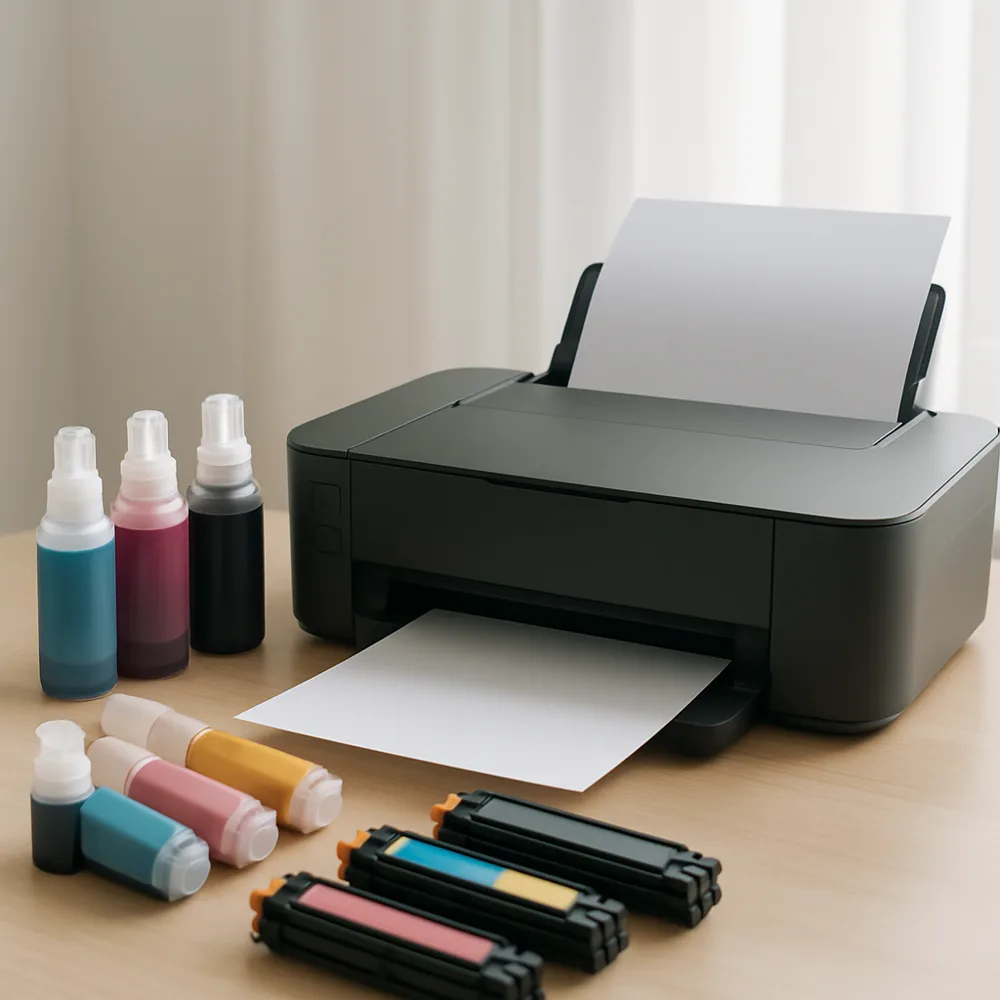
Page yield estimates how many pages a cartridge can print under a defined testing method. It helps shoppers compare supplies, but it is not a guaranteed count for every household. Test pages use a standard pattern and coverage level, while real documents vary widely in how much ink or toner they place on a sheet.
A page filled with a large photograph, shaded chart, or bold graphics may use far more color than a simple letter. Even text pages differ: large type, heavy formatting, and frequent logos add coverage. Printer cleaning cycles and setup tasks can also consume some ink, particularly on inkjet machines.
Use yield as a rough planning tool. Compare cartridges intended for the same printer family, and note whether a figure applies to black, color, or a combined set. High-yield options may reduce how often you replace supplies, but only make sense if you expect to use the ink or toner before it ages or becomes unsuitable.
If you want a realistic estimate, keep track of the number of pages printed between replacements over several cycles. Note whether your work is mostly text or graphics, and count paper sides rather than sheets when printing duplex. Your own history is more useful for budgeting than assuming every page matches a test document.