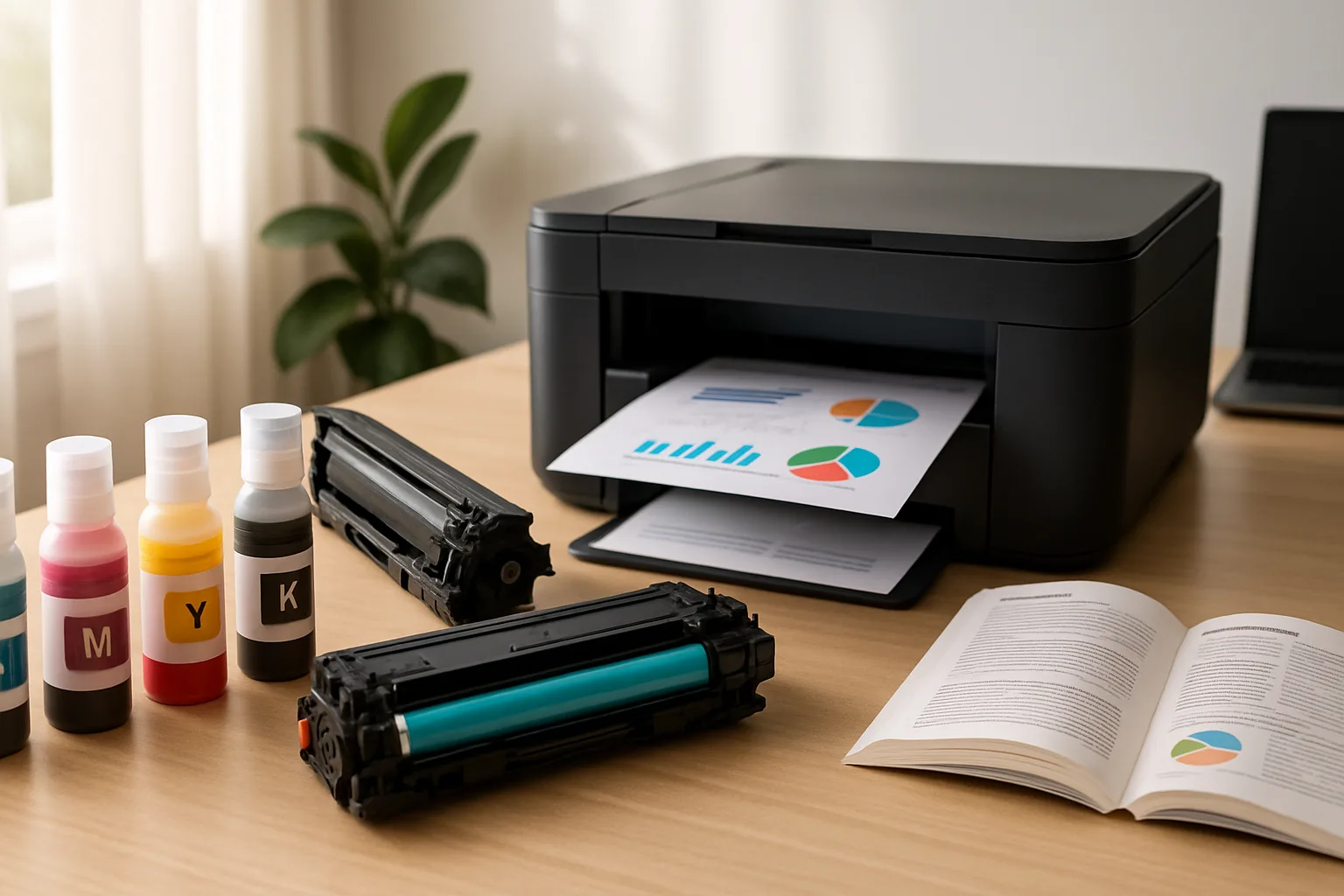
Used cartridges can contain plastics, metals, ink, or toner that should not automatically go into household recycling. Local rules differ, and some collection programs accept only certain brands or cartridge types. Check your local waste guidance or the cartridge maker’s current take-back information before placing supplies in a bin.
Keep a spent cartridge in its original bag or another leak-resistant package if available. Avoid touching nozzles, contacts, or imaging surfaces, and do not dismantle the cartridge. If ink or toner has leaked, follow the product’s cleanup instructions and local disposal advice. Keep used supplies away from children and pets until you can return or dispose of them.
Some retailers, offices, and community programs collect empty cartridges, but accepted items and drop-off arrangements vary. Confirm the program’s requirements first, particularly for third-party or remanufactured supplies. A cartridge that is not accepted for recycling may still need to follow local electronic-waste or household hazardous-waste guidance.
Reducing unnecessary printing is another straightforward way to cut cartridge waste. Preview pages, use duplex mode when appropriate, and keep digital copies when a paper version is not needed. Refill and remanufacturing options may extend a cartridge’s use, but their suitability depends on the product and supplier. Check compatibility and quality support before choosing one.